There is a quiet kind of poverty that no statistic fully captures. It is not the poverty of income or infrastructure, but of connection. Across many communities today, a strange separation has taken root. Elders spend their final decades in isolation, often unseen by the very neighborhoods they helped build. Young people, meanwhile, grow up without the guidance, patience, and perspective that only time and experience can offer. Two generations, living side by side, yet increasingly strangers to one another.
This separation did not happen overnight. Modern life has pulled families apart, urbanized communities, and replaced face-to-face mentorship with screens and self-reliance. Somewhere along the way, we stopped seeing age as a bridge and started treating it as a boundary. The young are told to move fast and figure things out alone. The old are quietly moved to the margins, their wisdom rarely asked for, their loneliness rarely addressed.
But communities were never meant to function this way. For generations, African societies in particular thrived on intergenerational exchange. Elders were not just respected, they were consulted. Young people were not just tolerated, they were guided. Wisdom flowed one way, energy flowed the other, and the community grew stronger because of it. That rhythm has weakened, but it has not disappeared. It can be rebuilt.
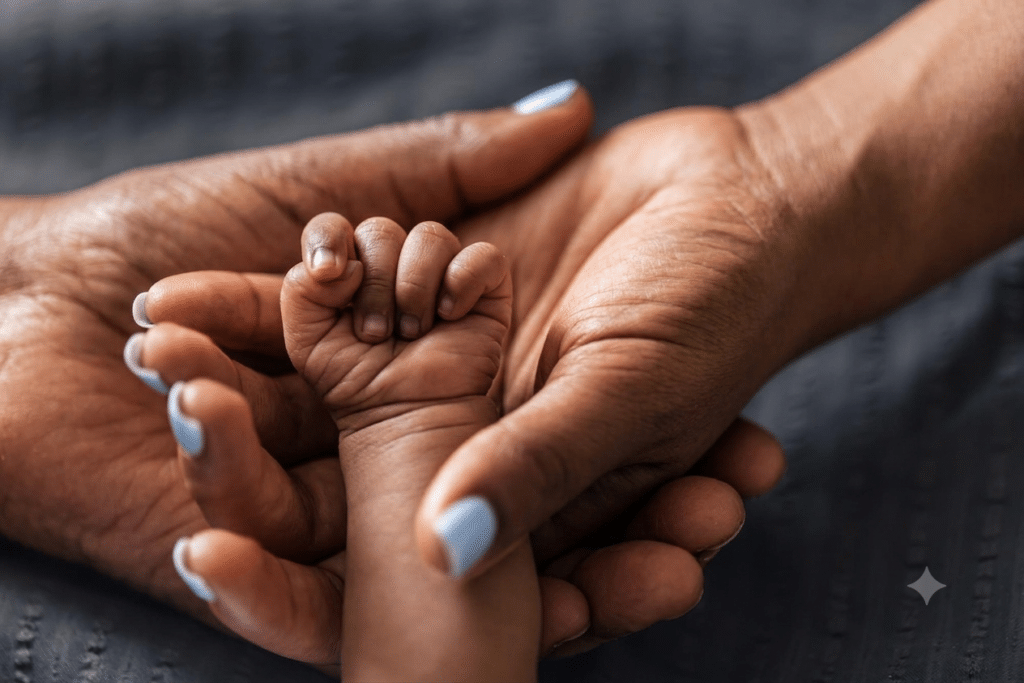
This is the belief at the heart of FIGCI’s work. We see mentorship not as a nice gesture, but as a necessity. When an elder shares their story with a young person, something happens that no classroom or curriculum can replicate. The young person gains context, patience, and a sense of continuity. They begin to understand that their struggles are not new, that others have walked similar paths and found their way through. At the same time, the elder gains something just as vital: purpose. To be needed, to be listened to, to matter to someone outside oneself, is one of the deepest human needs, regardless of age.
Youth bring something back into this exchange too. Their energy, curiosity, and openness to change often reintroduce elders to a world that can otherwise feel like it has moved on without them. A young person patiently teaching a grandmother how to make a video call, or checking in on an elderly neighbor, does more than solve a practical problem. It communicates something powerful: you are still part of this community. You still matter here.
This is why FIGCI exists. Not to create dependency in either direction, but to restore balance. A community thrives when its oldest and youngest members are woven back into each other’s lives, each contributing what only they can offer.
Every community needs its elders. Every community needs its youth. But more than that, every community needs both, together, learning from each other, showing up for each other, and reminding one another that no generation is meant to walk alone.